When the lights go out without warning, most people wonder what went wrong. That simple question often leads to a deeper one: how does a blackout happen? A blackout is a complete loss of power in an area, and it can affect a single neighborhood or millions of homes at the same time. Although the result feels sudden, the actual causes usually build long before the power goes out. Blackouts occur when something interrupts the flow of electricity at any point along the electrical system, and understanding that process helps homeowners prepare for outages and protect their homes.

The Path of Electricity and Where Problems Begin
To understand how does a blackout happen, it helps to look at how electricity travels from the source to your home. Power begins with generation plants, which convert natural gas, coal, wind, solar, hydro, or nuclear energy into usable electricity. That power travels through transmission lines to substations, where the voltage is lowered before moving into local distribution lines that feed homes and businesses. A failure at any point along this path can cause widespread outages. Transmission lines may break, substations can fail, and local equipment can overload when demand spikes unexpectedly.
Each part of the system must work together without interruption. If one segment cannot handle its load, the connected parts respond by shutting down to prevent damage. This chain reaction is a common cause of large scale blackouts. A simple equipment failure can cascade through the network until entire regions lose power.
Equipment Failure and Aging Infrastructure
One key factor in answering how does a blackout happen is the condition of the electrical grid itself. Many parts of the grid are decades old, especially in older cities. Transformers, breakers, and distribution equipment wear down over time. When aging components are pushed past their limits, they fail suddenly. A single faulty transformer or overheated transmission line can interrupt power to thousands of customers.
Heat waves and heavy usage tend to reveal these weaknesses first. When temperatures rise, air conditioners run constantly, increasing electrical demand on equipment that may already be stressed. If equipment overheats and shuts down, the outage can spread as nearby systems take on extra load. These secondary systems may then overload as well, and the blackout grows larger.
Weather and Natural Disasters
Extreme weather plays a major role in how blackouts happen. High winds knock down power lines, heavy ice can weigh down poles until they snap, and lightning can strike transformers or substations. Hurricanes, tornadoes, and blizzards cause extensive physical damage that requires days or even weeks to repair. In many cases, weather causes both direct damage and secondary issues. For example, a storm may knock down power lines while also damaging substations that supply those lines.
Flooding is another major cause of blackouts. Water can reach underground equipment, corrode wiring, and damage transformers. Substations located in low lying areas often shut down when floodwater rises. In places with frequent storms, these risks combine to create a cycle of recurring outages.
High Demand and Overloaded Systems
Sometimes blackouts occur even without storms or equipment failures. In many regions, consumer demand rises so high that the grid cannot keep up. This is one of the most common reasons homeowners ask how does a blackout happen during heat waves. When everyone runs air conditioning at the same time, the grid must deliver more power than it is designed to supply. If demand exceeds available electricity, grid operators initiate rolling blackouts to prevent the system from collapsing.
Rolling blackouts shut off power in controlled sections to ease the strain. Although inconvenient, they prevent a complete system failure that could take days to repair. Without this controlled shutdown, overloaded equipment might fail permanently.
How Grid Operators Prevent Blackouts
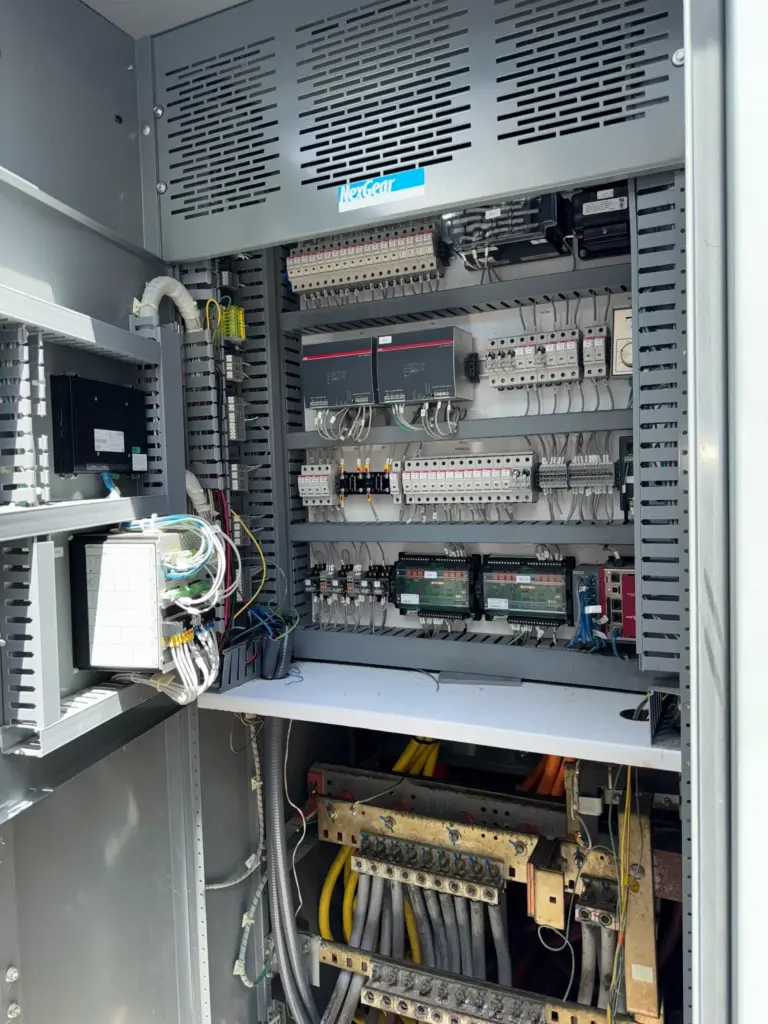
Grid reliability organizations monitor the electrical system constantly to prevent failures. A key source for understanding how does a blackout happen is the North American Electric Reliability Corporation. Their experts track demand, equipment performance, and system stability. When they detect unusual conditions, they coordinate adjustments across power plants and substations to keep electricity flowing. These adjustments can include increasing power generation, shifting loads between regions, or conducting controlled shutdowns to relieve overloaded equipment.
Despite these efforts, the grid can still experience failures when conditions become unpredictable or when equipment has reached its lifespan. Preventing blackouts requires ongoing investment in stronger infrastructure, smarter technology, and improved maintenance.
Failures Inside the Home
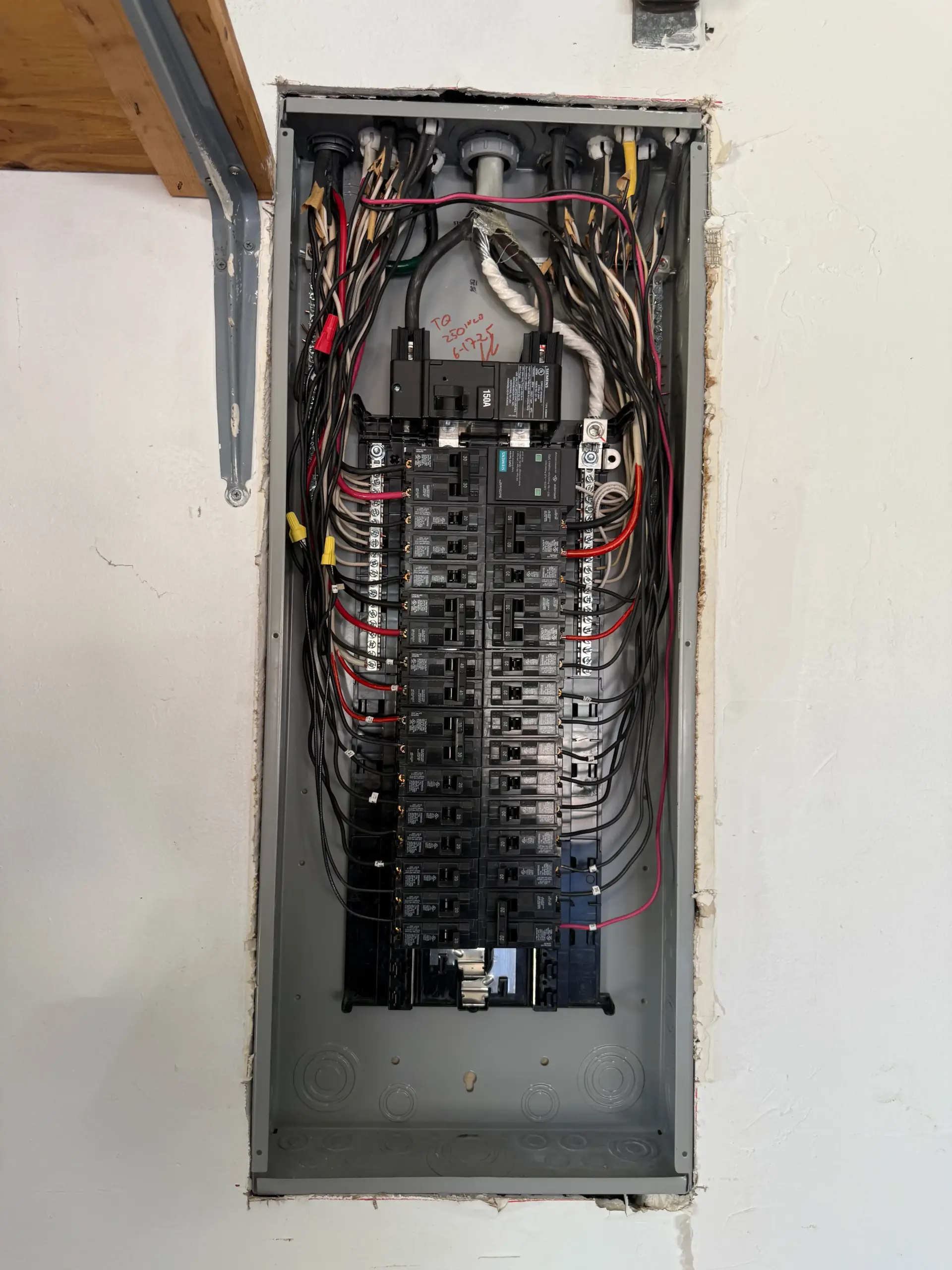
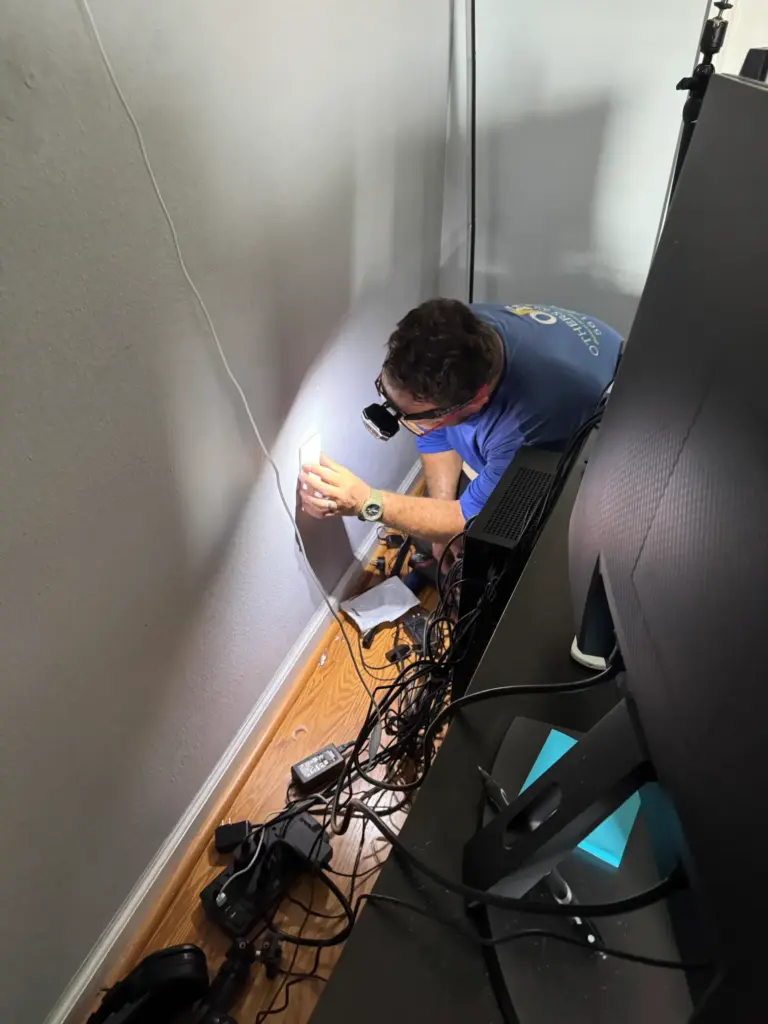
Although large scale blackouts occur on the grid, some outages happen within the home. Homeowners often ask how does a blackout happen when only their house loses power. Faulty wiring, overloaded circuits, and tripped breakers can shut down electricity in part or all of a home. Large appliances like air conditioners, dryers, and microwaves can overload circuits when they operate at the same time. Old wiring with weakened insulation can also cause sudden failures.
In these cases, the blackout is isolated. Other homes on the street keep their power, but the affected home loses electricity until the internal issue is repaired. Electrical inspections and upgraded wiring prevent these localized outages.

The Role of Substations
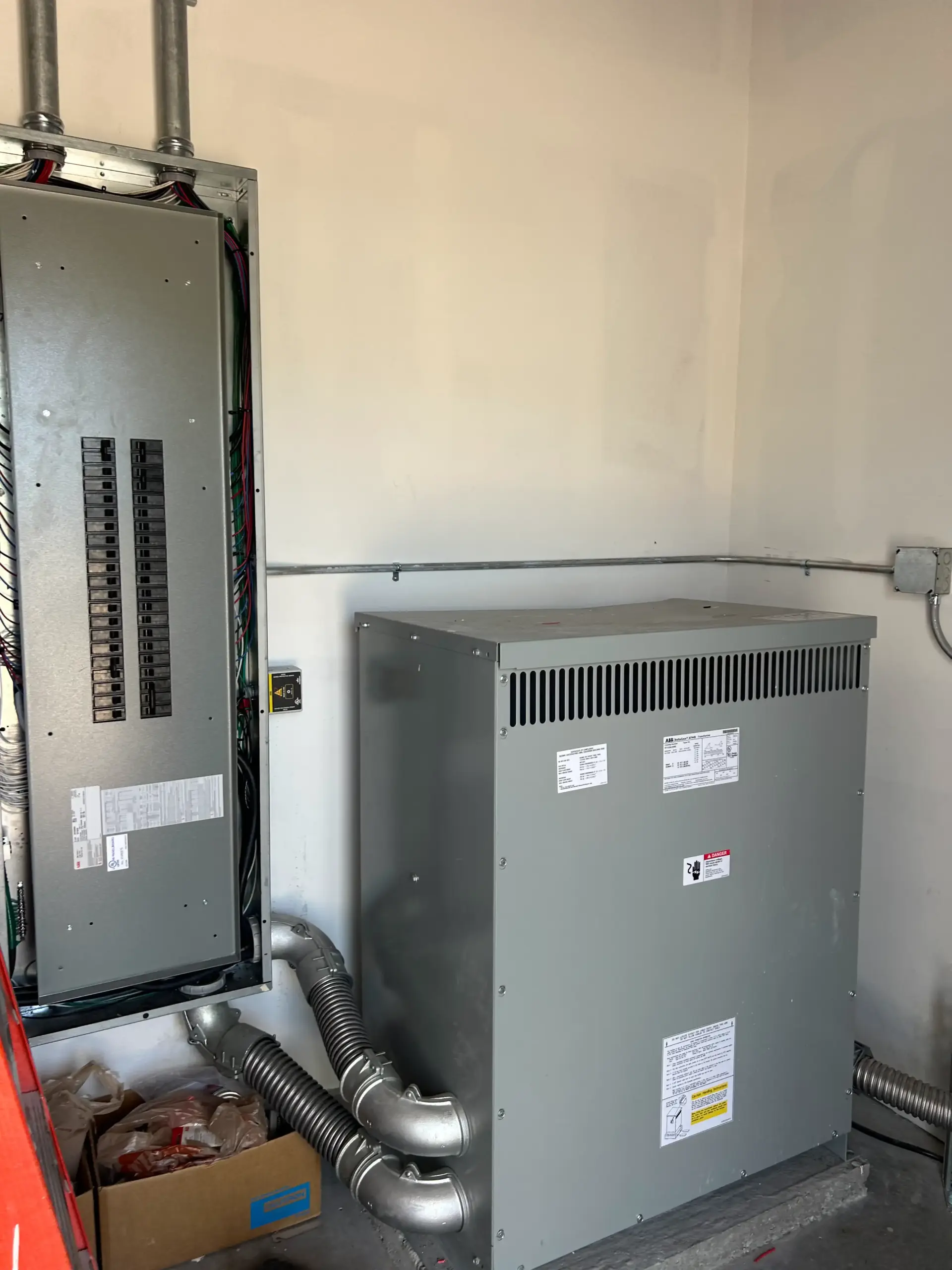
Substations are vital parts of the electrical system. They take high voltage electricity from transmission lines and convert it into lower voltage power suitable for homes and businesses. When a substation fails, the loss affects every home connected to it. Substation failures can happen for several reasons: damaged equipment, overheating, lightning strikes, or even wildlife interfering with electrical parts. When homeowners research how does a blackout happen, substation failures appear often because they can cause immediate and widespread outages.
Repairs to substations sometimes require specialized equipment and trained technicians, which means restoring power may take longer than restoring a simple broken line.
Human Error and Operational Mistakes
Not all blackouts come from physical failures. Human error is another reason people ask how does a blackout happen. Incorrect switching procedures, miscommunication between grid operators, and maintenance mistakes can disrupt the normal flow of electricity. Although systems are designed to minimize these risks, the grid is a complex network managed by people, and even small mistakes can create problems under the right conditions.
Cybersecurity and Modern Risks
As the grid becomes more connected, cybersecurity threats have become a modern cause of blackouts. Hackers can target control systems, disrupt communication between substations, or interfere with power plant controls. While these events are rare, they illustrate how vulnerable the grid can be when digital systems are compromised. This is another reason homeowners want to better understand how blackouts occur and how to prepare for them.
How Blackouts Spread
Blackouts rarely remain isolated when the grid is under stress. Once one part of the grid fails, the electrical load shifts to nearby lines and substations. If those systems are already operating near capacity, the extra load can push them beyond their limit. This is how a small local problem can expand into a much larger blackout. This chain reaction effect explains large regional outages that affect multiple states at once.
When people ask how does a blackout happen, this cascading failure pattern is often the underlying answer.
Power Restoration After a Blackout
Restoring power after a blackout takes time because crews must identify the failure, isolate the affected area, and repair or replace damaged equipment. Downed lines must be cleared, transformers must be inspected, and substations must be reset. After major storms, crews sometimes need to rebuild entire sections of the grid.
For safety reasons, power cannot be restored until workers confirm that lines are stable and equipment has returned to normal operation. While this process may feel slow from the homeowner’s perspective, each step prevents further damage and protects the crews working on repairs.
Blackouts Inside the Home and When to Call a Professional
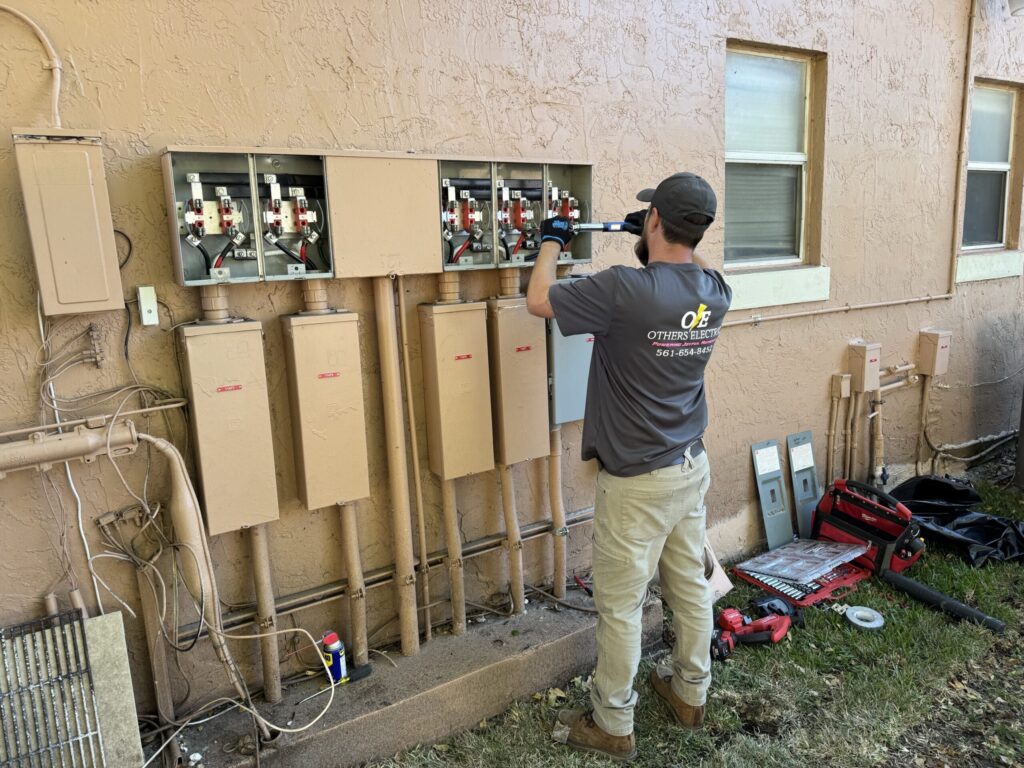
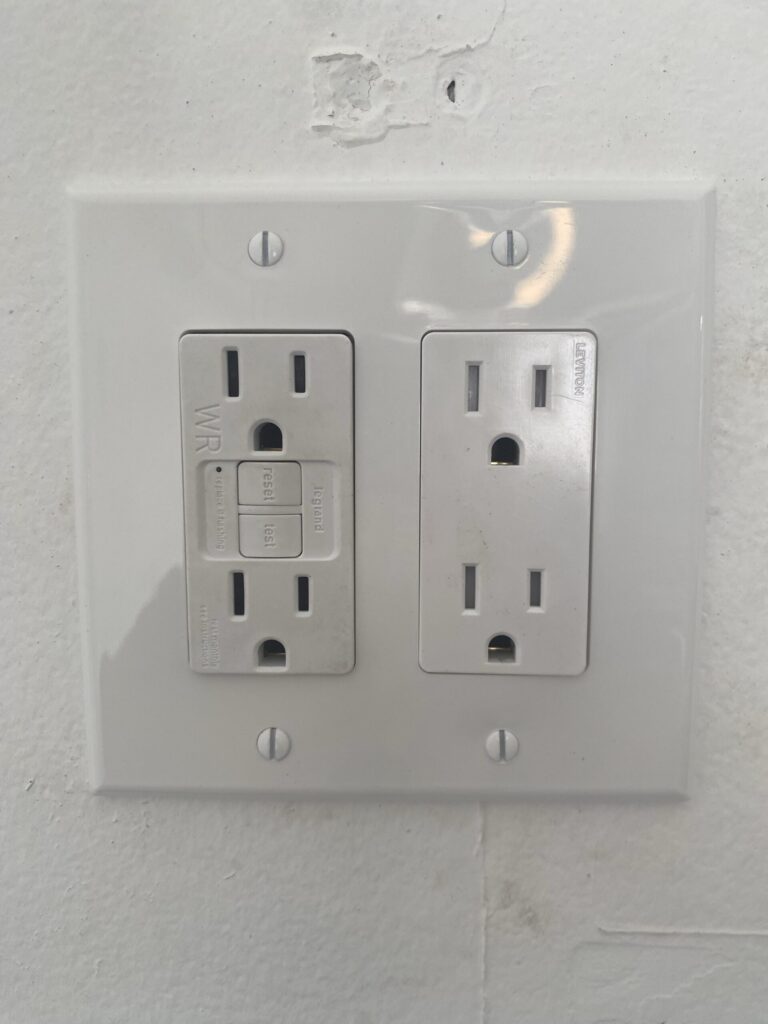
Some blackouts occur even when the grid is functioning normally. If your home loses power while your neighbors do not, the problem is likely inside your electrical system. Tripped breakers, damaged wiring, loose connections, or overloaded circuits can all shut down parts of your home. Older homes often experience these issues more frequently.
When homeowners wonder how does a blackout happen in their own house, a licensed electrician can inspect the system, identify weaknesses, and recommend upgrades. Reinforcing your home’s wiring prevents many of these internal outages.
Why Preparedness Makes a Difference
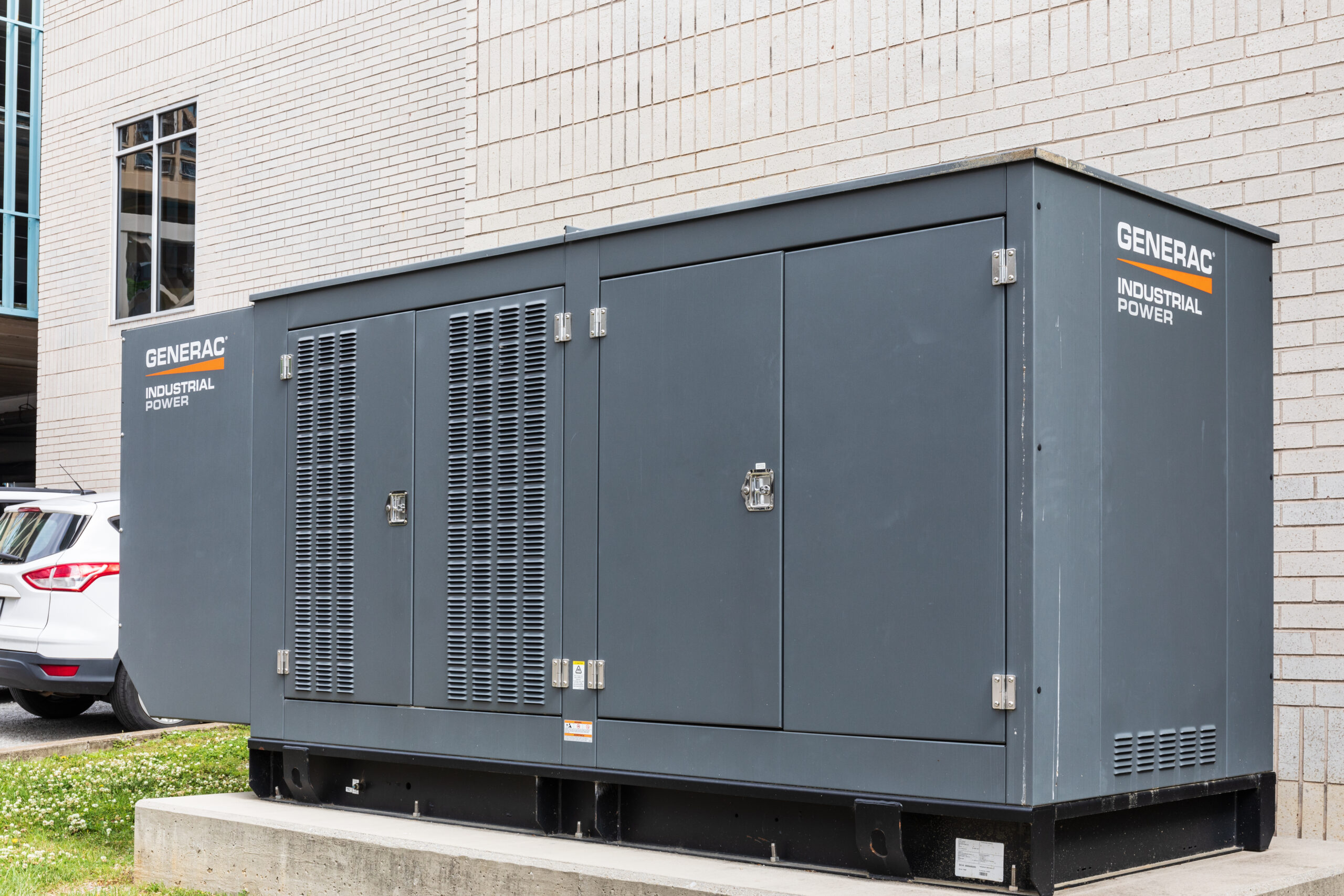
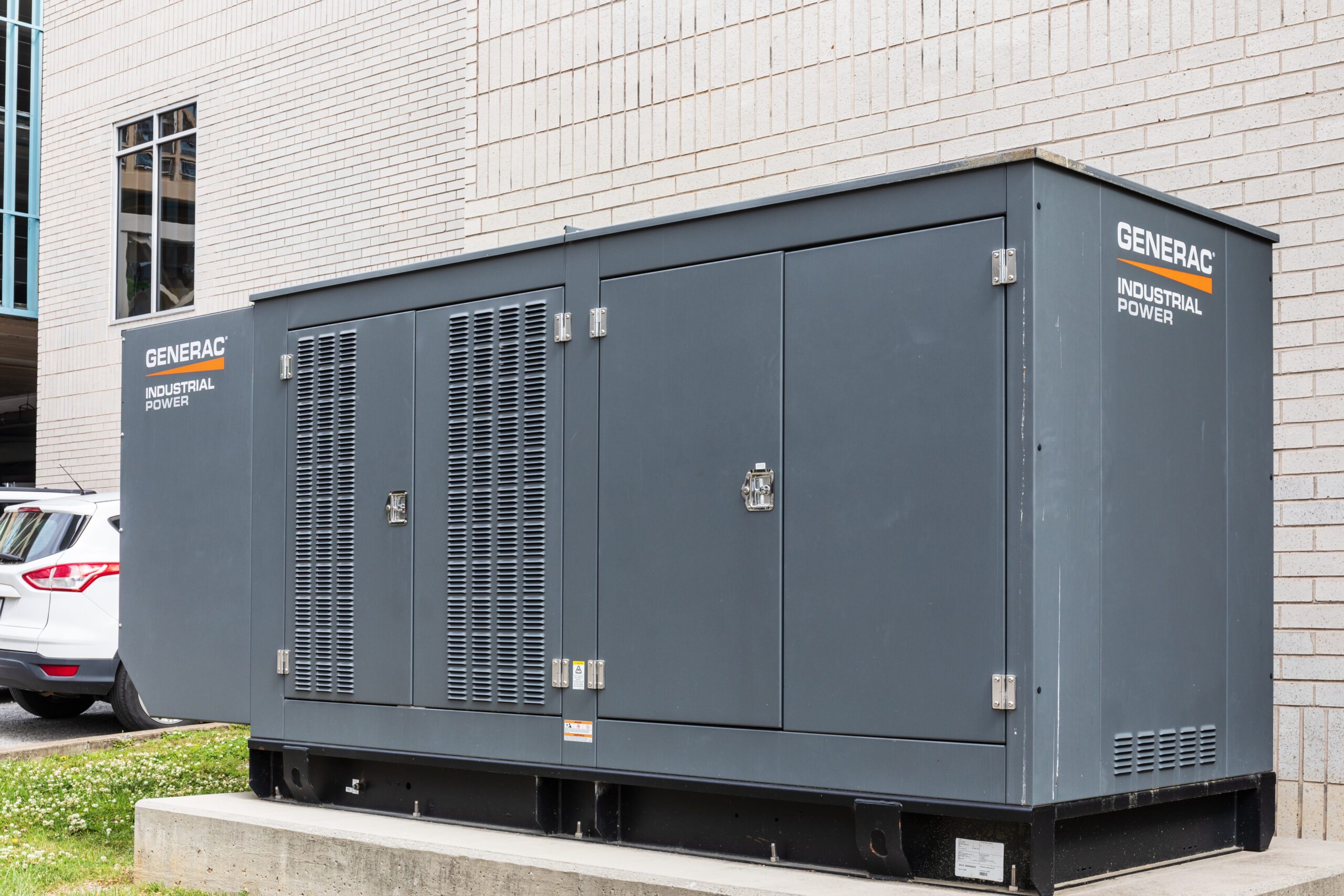
Understanding how blackouts happen helps homeowners prepare for them. Keeping flashlights, backup batteries, and emergency supplies on hand makes outages easier to manage. Surge protection shields your appliances from the moment power returns, and backup generators keep essential systems running during extended outages. Many homeowners install generators to maintain refrigeration, heating, cooling, and communication during power failures.
Get Professional Backup and Protection
If you want to strengthen your home against blackouts, upgrade wiring, or install protective equipment, visit Others Electric. Their licensed electricians provide safe installation, power assessments, surge protection systems, and generator setups tailored to your home.
Why Understanding Blackouts Helps You Protect Your Home
So, how does a blackout happen? It happens when anything disrupts the path of electricity, whether from storms, equipment failures, overloaded systems, or problems inside the home. Knowing these causes helps you take practical steps to protect your property, stay prepared during outages, and make informed decisions about backup power solutions.