Homeowners often search how wire an outlet after noticing loose plugs, flickering power, or outlets that stop working altogether. In many cases, the outlet itself is only part of the problem. Electrical outlets are connected to circuits, breakers, grounding systems, and wiring hidden behind walls, all of which must work together safely.
While wiring an outlet may appear simple on the surface, professional electricians understand that outlet wiring affects the safety of the entire electrical system. Learning how professionals approach how wire an outlet helps explain why this work is regulated and why licensed electricians follow a careful, methodical process rather than quick fixes.
What Wiring an Outlet Really Involves
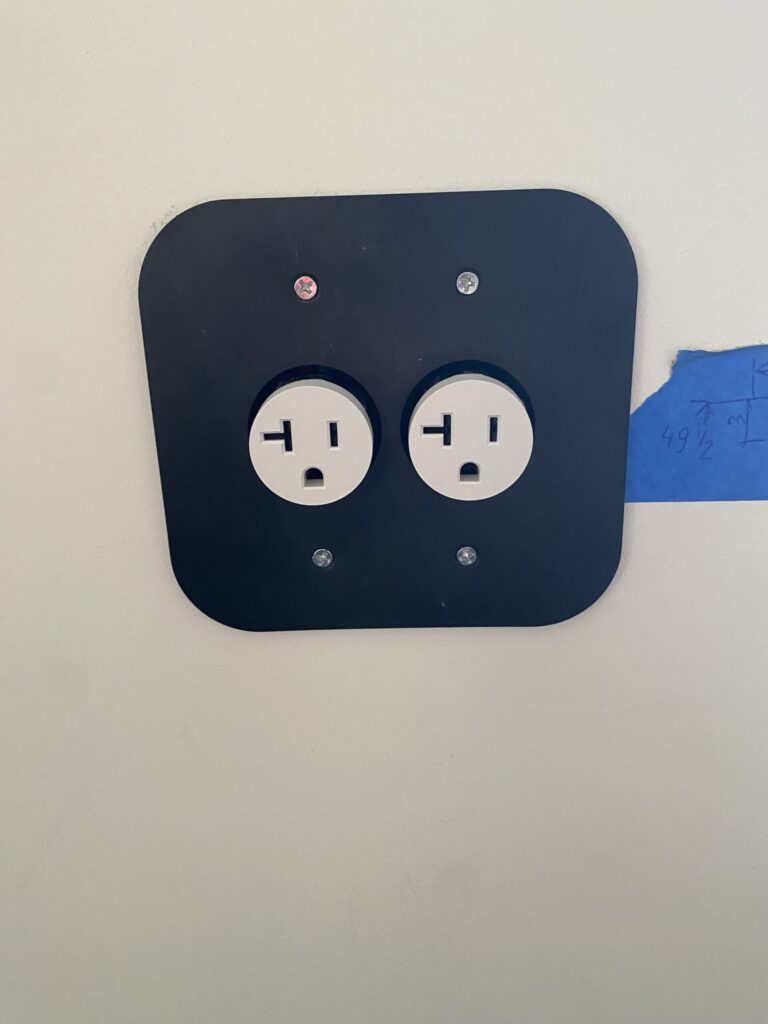
When people think about how wire an outlet, they often imagine connecting a few wires and tightening screws. In professional electrical work, wiring an outlet involves much more. Electricians evaluate the circuit capacity, confirm the wire gauge matches the breaker, inspect grounding continuity, and ensure the outlet type is appropriate for the location.
An outlet must safely handle the electrical load placed on it day after day. Improper wiring can cause resistance at connection points, which leads to heat buildup inside outlet boxes and walls. Over time, this heat can damage insulation, weaken connections, and increase fire risk. This is why electricians treat how wire an outlet as a system level task rather than a simple replacement.
Why How Wire an Outlet Is Not a Simple DIY Project
Outlet wiring mistakes are among the most common issues electricians encounter when responding to service calls. Homeowners attempting DIY work often misunderstand how wire an outlet safely, which leads to loose connections, reversed polarity, missing grounds, or incorrect wire sizing.
These mistakes do not always cause immediate failure, which makes them especially dangerous. An outlet may appear to work normally while slowly overheating or stressing the circuit. Understanding how wire an outlet from a professional perspective shows why training and experience matter when dealing with electrical systems.
How Electricians Evaluate the Circuit First
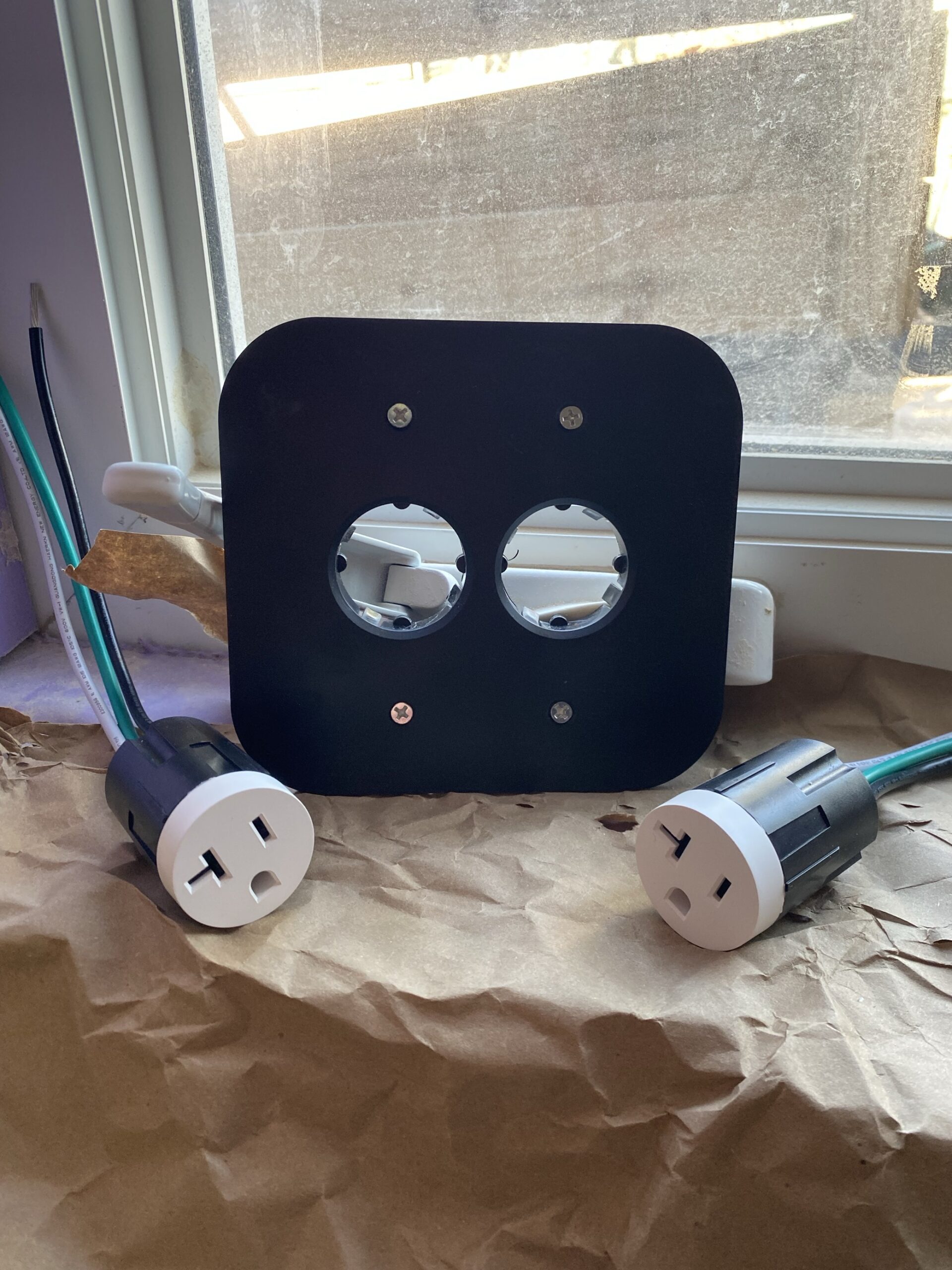
Before wiring or replacing an outlet, electricians always evaluate the circuit supplying power. This step is essential when determining how wire an outlet correctly. The breaker size, wire gauge, and number of outlets already on the circuit must be reviewed to avoid overloading.
When circuits are already near capacity, adding or rewiring an outlet without adjustments can cause nuisance breaker trips or overheating. Homeowners searching how wire an outlet rarely consider circuit load, but electricians treat it as a critical safety factor.
Understanding Wires, Conductors, and Identification
Correct conductor identification is a key part of how wire an outlet safely. Hot, neutral, and grounding conductors each serve a specific purpose in controlling electrical flow. While wire colors follow general standards, professionals never rely on color alone.
Electricians use testing tools to confirm voltage and conductor function before making connections. This prevents accidental shock and ensures the outlet operates correctly once installed. Misidentifying wires is one of the most common causes of failure in DIY outlet wiring.
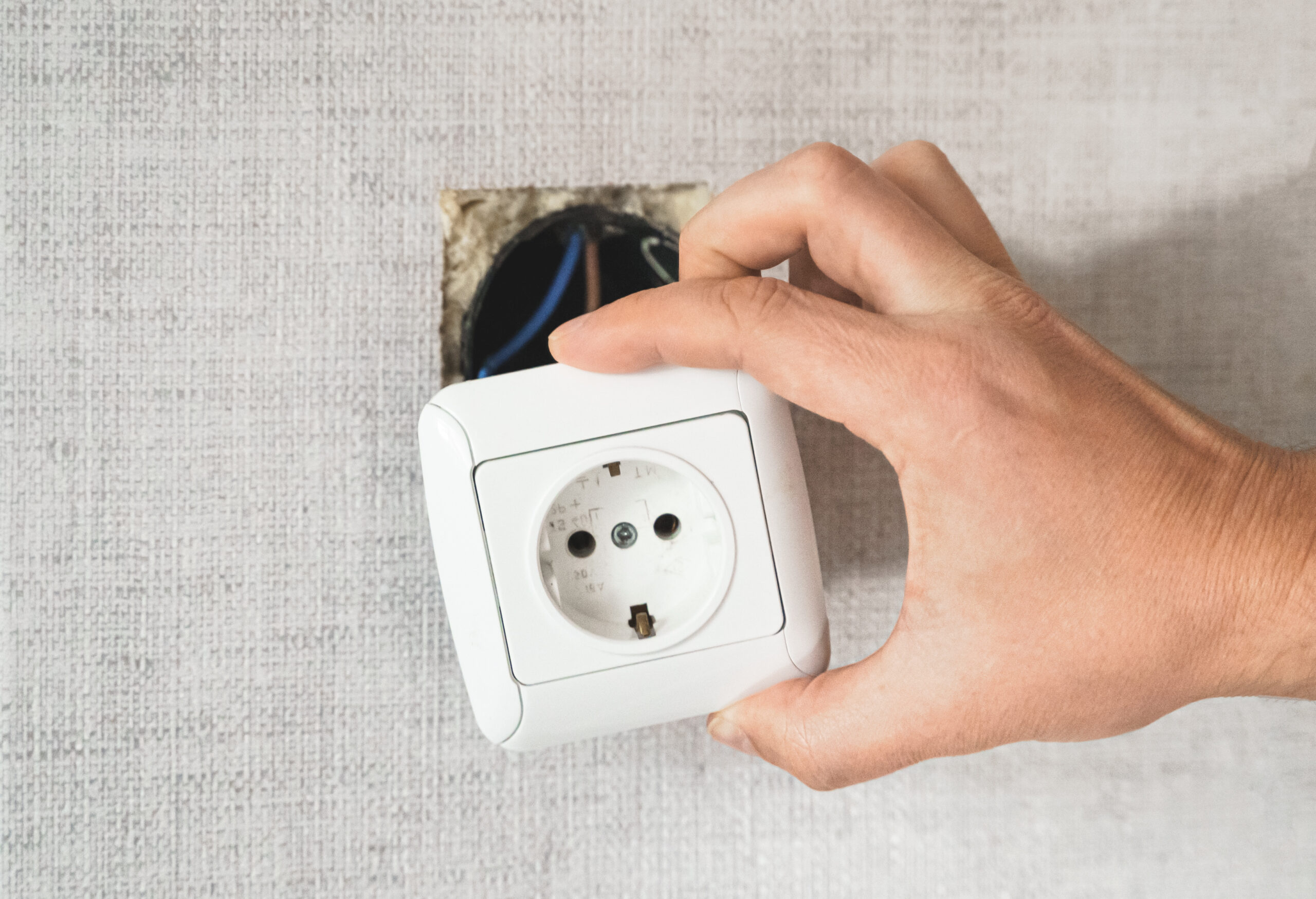
Grounding and Electrical Safety
Grounding plays a major role in how wire an outlet safely. A grounded outlet provides a controlled path for electricity during a fault, reducing the risk of shock and equipment damage. Many older homes lack proper grounding, which cannot be corrected by simply swapping an outlet.
Electricians verify grounding continuity and ensure the outlet connects properly to the home’s grounding system. Without proper grounding, even a correctly wired outlet can become unsafe during electrical faults.
Choosing the Correct Outlet Type
Not all outlets are designed for the same environments. Kitchens, bathrooms, garages, basements, and outdoor locations often require special outlet protection. Selecting the correct outlet type is part of how wire an outlet in compliance with modern safety standards.
Professionals choose outlet types based on location, current code requirements, and circuit design. Installing the wrong outlet may create safety violations or reduce protection against shock and fire hazards.
Electrical Code and Outlet Wiring Standards
Electrical codes define how wire an outlet properly by setting rules for spacing, placement, grounding, and protection. These standards exist because research shows they reduce electrical injuries and residential fires.
Licensed electricians stay current with national and local code updates. DIY wiring that does not follow how wire an outlet according to code can fail inspections, delay home sales, and create insurance complications. Electrical safety principles are outlined by the National Fire Protection Association.
Common Outlet Wiring Problems Professionals Repair
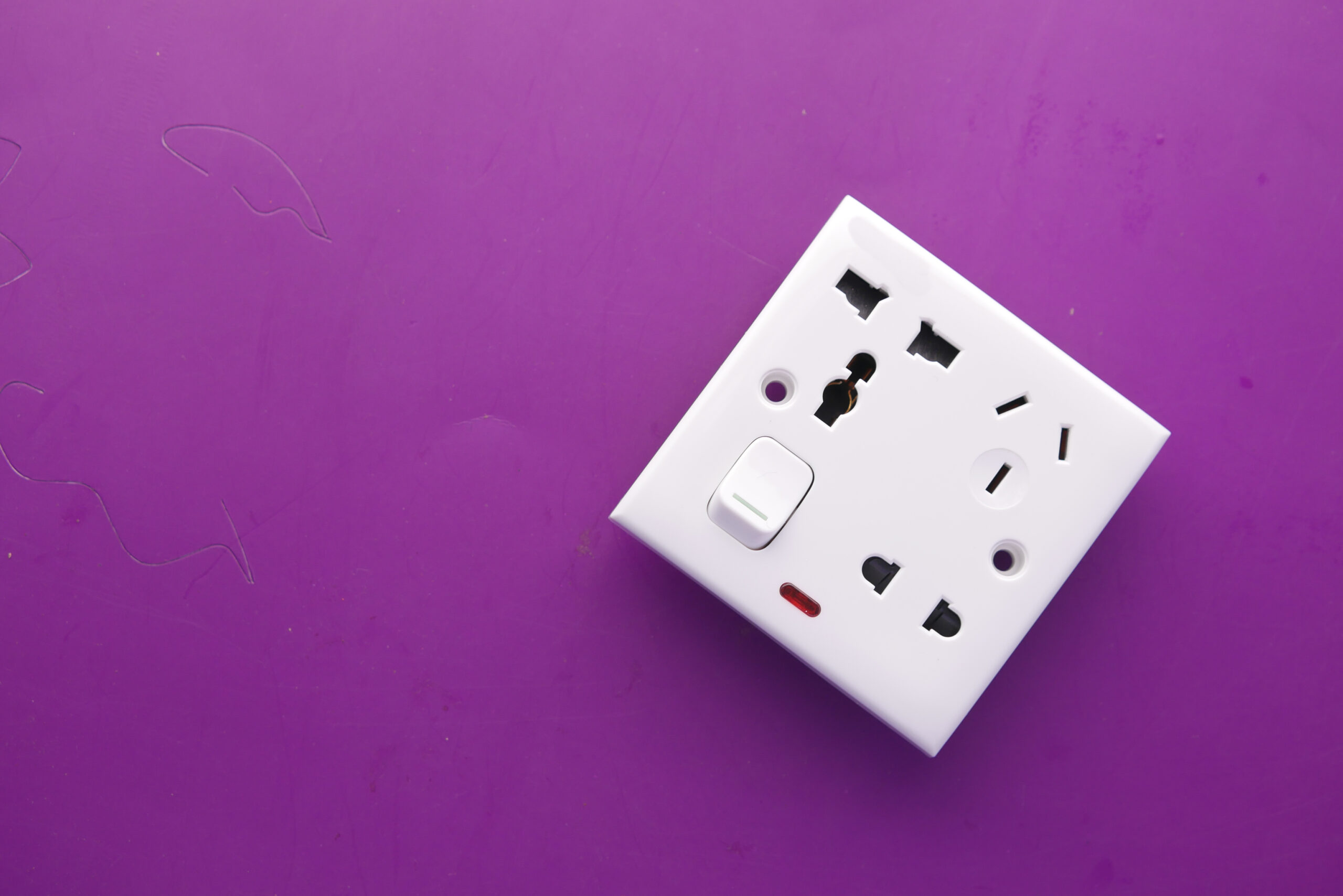
Electricians frequently correct outlet wiring issues caused by previous DIY attempts. Common problems include loose terminals, failed backstab connections, reversed polarity, missing grounds, and damaged outlet boxes.
These issues may remain hidden for years before causing noticeable symptoms. Professional inspections identify these risks early and correct them before they lead to electrical failure or fire hazards.
Testing and Verification After Wiring an Outlet
After completing how wire an outlet professionally, electricians perform thorough testing. This includes verifying voltage levels, polarity, grounding continuity, and outlet performance under load.
Testing ensures the outlet is safe, stable, and compliant. This step confirms the work protects both people and property, not just that the outlet appears functional.
When Outlet Problems Indicate Larger Electrical Issues
Outlet issues sometimes point to broader electrical system problems. Warm outlets, buzzing sounds, flickering lights, or frequent breaker trips may indicate overloaded circuits or aging wiring.
Professionals identify these underlying issues and recommend system level solutions instead of temporary fixes. Addressing the root cause protects the entire home, not just a single outlet.
Professional Outlet Wiring Services
If you are experiencing outlet issues or planning electrical upgrades, professional service is the safest option. Others Electric provides licensed outlet wiring, troubleshooting, and code compliant electrical services.
For homeowners who need broader electrical support beyond how wire an outlet concerns, including inspections, upgrades, and repairs, visit our Residential Electrician Services Page, Professional electrical work protects your home, your family, and your long term safety.