Homeowners often search how to repair electrical cord after noticing frayed insulation, exposed wires, or cords that stop working properly. Power cords are used daily for appliances, tools, and electronics, which means they experience constant bending, pulling, and wear. Over time, this stress can damage the cord and create safety risks.
While damaged cords may seem like a small problem, they are one of the most common causes of electrical shock and residential fires. Understanding how professionals approach how to repair electrical cord helps homeowners recognize when a cord can be safely addressed and when replacement or professional service is the only safe option.
What an Electrical Cord Actually Does
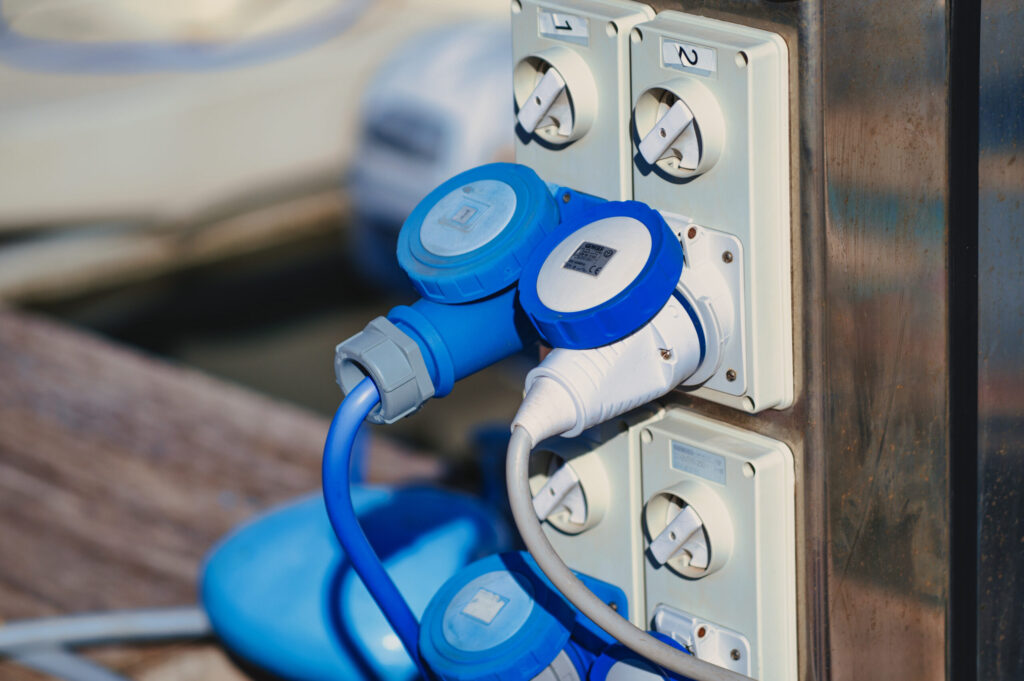
An electrical cord is designed to safely carry electricity from a power source to an appliance or device. Inside the outer insulation are conductors that deliver current, along with protective layers that prevent heat buildup and accidental contact. When these layers are compromised, the cord can no longer perform safely.
When people search how to repair electrical cord, they often focus only on restoring power. Electricians focus on safety, insulation integrity, strain relief, and compliance with electrical standards. Restoring power without restoring safety creates serious risk.
Why Electrical Cord Damage Is Dangerous
Damaged cords expose live conductors, increase resistance, and allow heat to build up at weak points. This heat can melt insulation, ignite nearby materials, or damage connected devices. Shock hazards also increase when insulation is cracked or missing.
Understanding how to repair electrical cord safely requires recognizing these risks. Temporary fixes such as tape, glue, or twisting wires together may restore function briefly, but they do not restore safety. Electricians treat damaged cords as potential hazards until proven otherwise.
Common Causes of Electrical Cord Damage
Electrical cords are damaged in many ways. Repeated bending near plugs, heavy furniture resting on cords, pets chewing insulation, and cords stretched beyond their design limits all contribute to failure. Outdoor cords are also exposed to moisture, sunlight, and temperature changes that break down insulation.
When homeowners search how to repair electrical cord, the cause of damage matters. Some damage is superficial, while other damage indicates internal conductor failure. Electricians evaluate both before deciding how to proceed.
Why DIY Cord Repair Is Risky
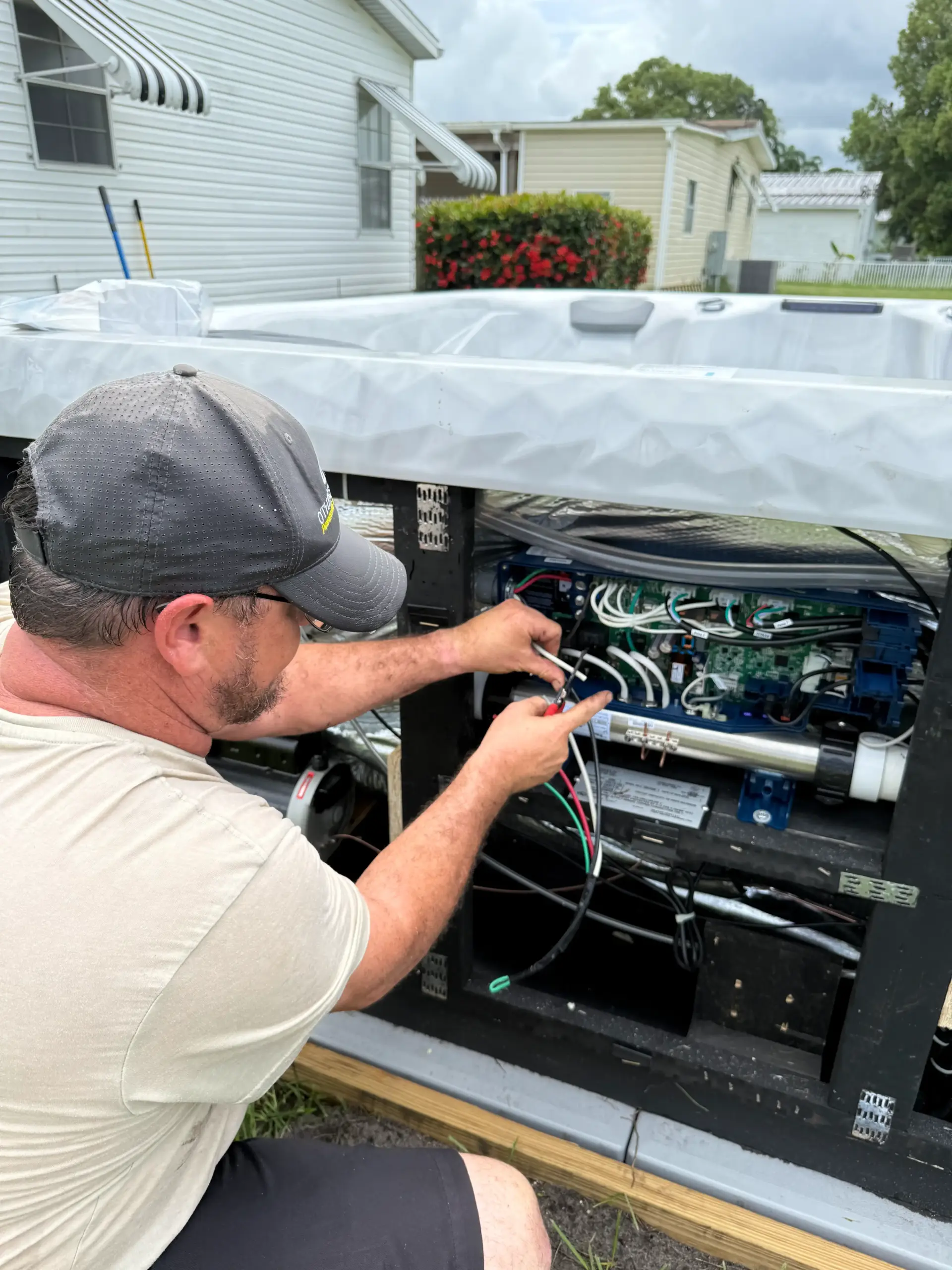
DIY cord repairs are risky because most cords are not designed to be repaired. Many modern cords are molded, sealed, and strain relieved at the factory. Cutting and rejoining these cords removes critical safety features.
Homeowners attempting how to repair electrical cord on their own often overlook conductor type, insulation rating, and strain relief requirements. Even if the cord works afterward, it may overheat under load or fail unexpectedly. This is why professionals strongly discourage DIY cord repair.
How Professionals Evaluate a Damaged Electrical Cord
Before addressing a damaged cord, electricians inspect the entire length of the cable, not just the visible damage. They look for internal conductor stress, insulation breakdown, and damage near plugs or entry points.
When determining how to repair electrical cord safely, professionals also consider the appliance it serves. High current appliances place greater demands on cords and make repair far less safe than replacement.
When Replacement Is the Only Safe Option
In many cases, replacement is safer and more cost effective than repair. Cords with internal damage, exposed conductors, or damage near molded plugs are typically replaced rather than repaired.
Understanding how to repair electrical cord professionally includes knowing when not to repair it at all. Electricians prioritize safety over convenience, especially when cords serve high load or heat producing equipment.
Professional Repair Versus Manufacturer Replacement
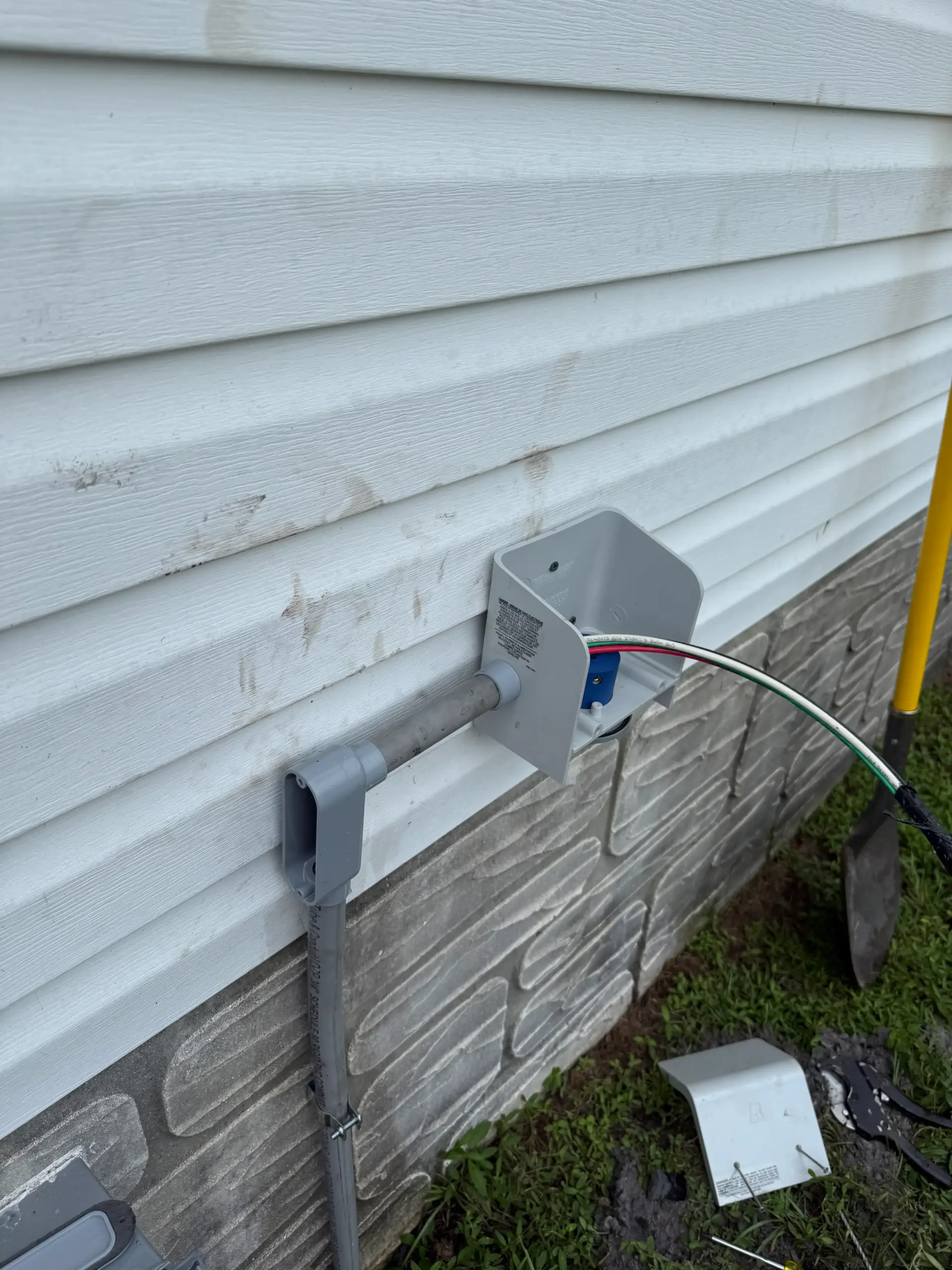
Some equipment allows for cord replacement using approved parts. In these cases, electricians install manufacturer rated cords with proper connectors and strain relief. This approach maintains safety and compliance.
Generic cords or improper replacements can create compatibility issues. Professionals ensure replacements match voltage, amperage, and environmental ratings. This attention to detail separates safe service from unsafe shortcuts.
Electrical Codes and Cord Safety
Electrical codes limit how cords can be repaired, extended, or modified. Many cords are classified as flexible wiring and are subject to strict rules. These rules exist because improperly modified cords are a major fire hazard.
Homeowners asking how to repair electrical cord often do not realize that many repair methods violate basic safety standards. Electrical fire data shared by the U.S. Fire Administration shows that damaged cords and improper electrical repairs remain a common cause of residential fires, which is why professional evaluation is strongly recommended.
Temporary Fixes That Create Long Term Risk
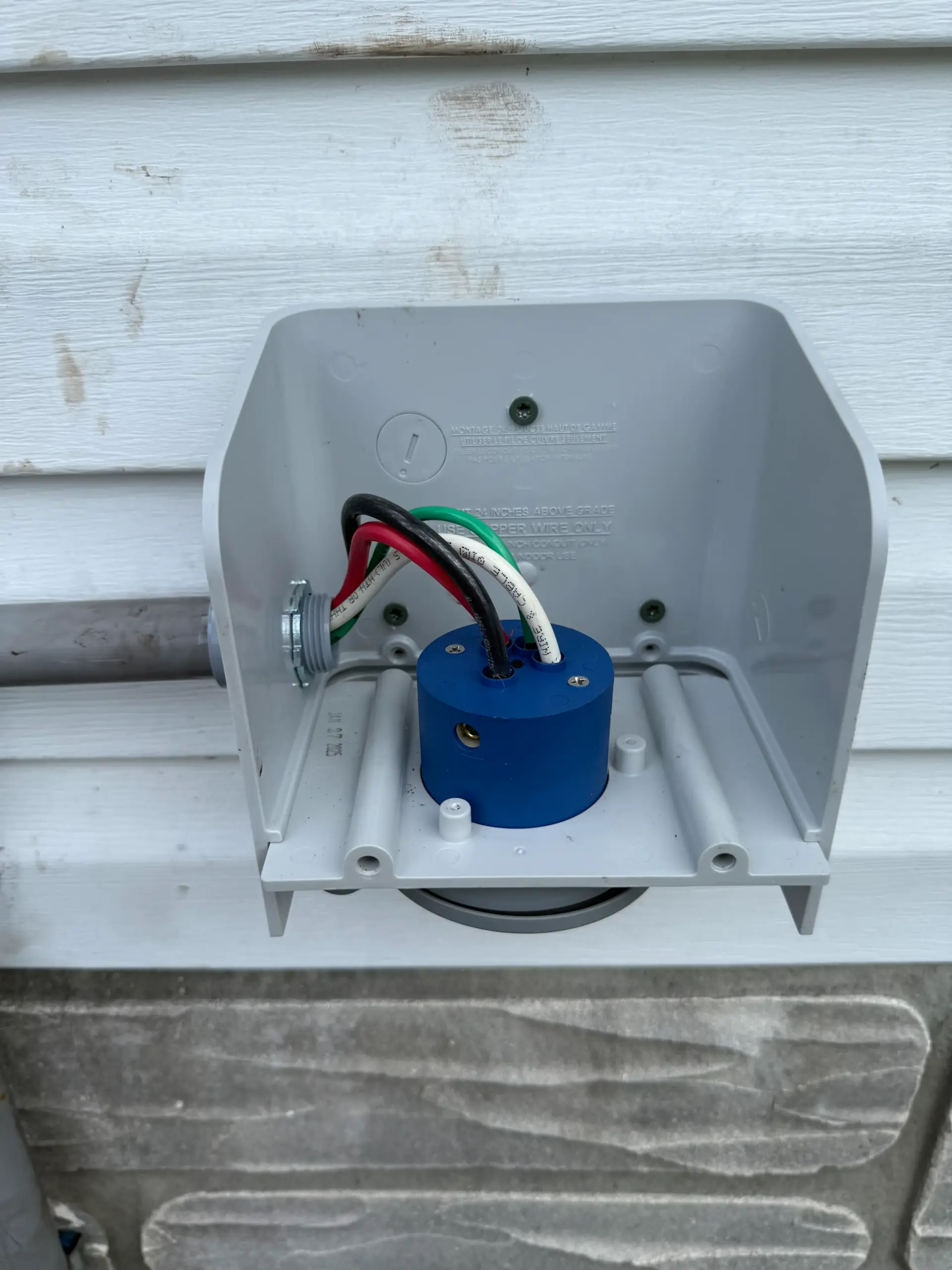
Temporary fixes such as electrical tape, heat shrink without proper insulation rating, or splicing cords together may appear effective. In reality, these fixes often trap heat and hide worsening damage. Professionals avoid temporary solutions for cord damage. Safe electrical work restores original safety levels rather than masking hazards.
How Damaged Cords Affect Appliances
Damaged cords do not only create fire and shock hazards. They can also damage appliances by delivering unstable voltage or increased resistance. Motors, compressors, and electronics are especially sensitive to these conditions.
When homeowners search how to repair electrical cord, they may be trying to save an appliance. In many cases, professional cord replacement protects both the appliance and the home.
Indoor Versus Outdoor Electrical Cords
Outdoor cords face harsher conditions than indoor cords. Moisture, UV exposure, and temperature swings degrade insulation faster. Outdoor cords also require weather rated materials.
Repairing outdoor cords is especially dangerous without proper equipment. Professionals typically recommend replacement with outdoor rated cords rather than attempting repairs.
Signs a Cord Needs Immediate Attention
Certain warning signs indicate a cord should no longer be used. These include visible copper, cracked insulation, heat buildup, burning smells, or intermittent power. Continued use under these conditions increases fire risk.
If these signs appear, unplug the device and seek professional advice instead of attempting how to repair electrical cord on your own.
Professional Electrical Repair Services
If you are dealing with damaged cords or recurring electrical issues, professional service is the safest option. Others Electric provides licensed electrical inspections, repairs, and safety focused solutions.
Our electricians help determine whether cords should be replaced, professionally serviced, or whether a larger electrical issue is present.
When Cord Damage Indicates Bigger Electrical Problems
Repeated cord failures may indicate underlying electrical problems such as overloaded circuits, improper outlet placement, or voltage issues. Simply repairing cords does not address these root causes. Professionals look beyond the cord itself to ensure the electrical system supports safe operation.
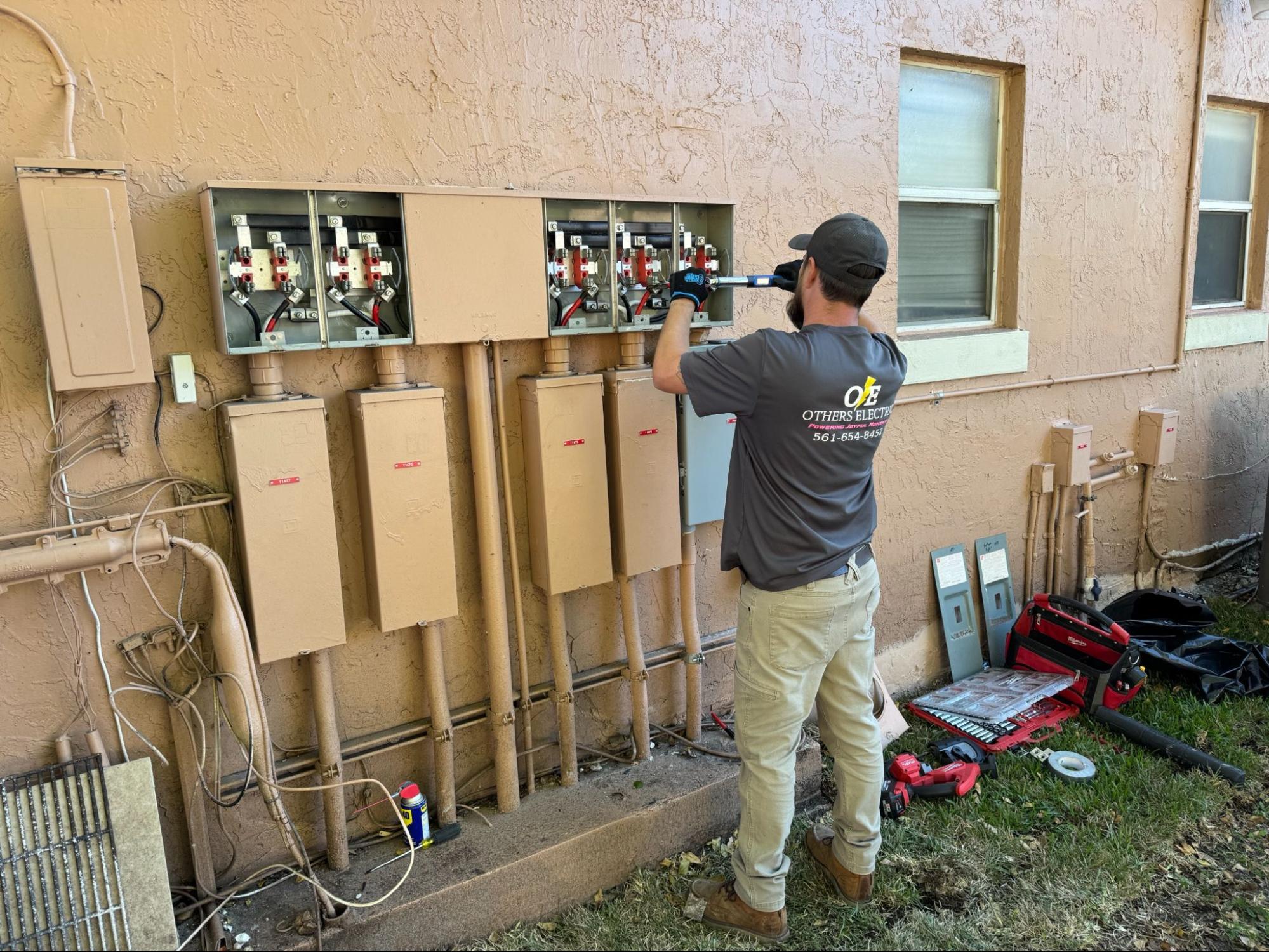
Electrical Safety and Residential Services
For homeowners needing broader electrical support, including outlet upgrades, circuit evaluations, and safety inspections, our residential electrician services help keep your home safe and code compliant. Addressing electrical issues at the system level reduces repeated cord damage and improves overall safety.
Final Thoughts on How to Repair Electrical Cord
Understanding how to repair electrical cord safely means understanding when repair is not appropriate. Many cords are not designed for repair, and unsafe fixes create serious hazards.
Professional evaluation protects your home, your appliances, and your family. When in doubt, replacing a damaged cord or seeking licensed electrical service is always the safest choice.