When homeowners start thinking about electrical safety, one question usually rises to the top: how much surge protection do I need? Power surges happen more often than people realize. They can come from lightning, grid problems, faulty wiring, or even the appliances in your home. Without proper protection, these sudden voltage spikes can damage electronics, shorten the life of your appliances, and sometimes cause dangerous failures in your electrical system. Understanding the right level of surge protection keeps your home safe and your equipment running smoothly.
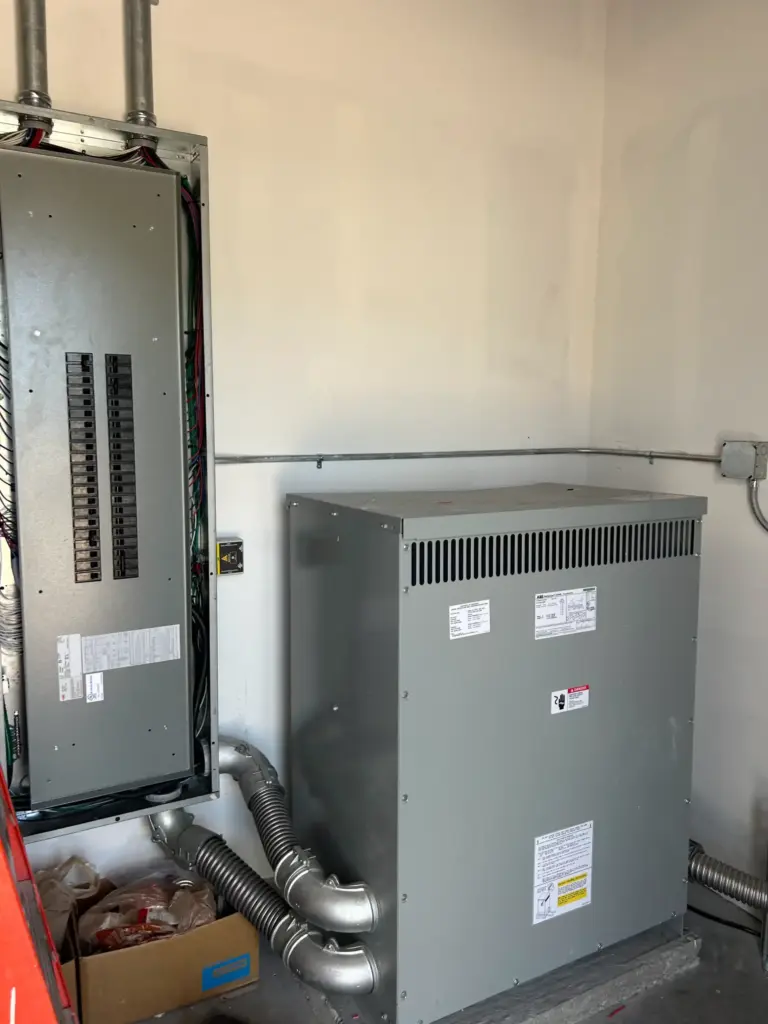
Why Surge Protection Matters
Electrical surges move through wiring in a split second, carrying more voltage than your home’s circuits are designed to handle. That extra energy forces itself into anything plugged into your outlets. When people ask how much surge protection do I need, they are really asking how to shield their home from this unexpected force. Even small surges can weaken electronics over time, and larger surges can cause immediate failures.
Surge protection creates a safe path for excess energy to disappear before it reaches your appliances. With the right setup, your home can withstand storms, grid problems, and equipment issues without major damage.
How Surges Occur
To decide how much surge protection do I need, homeowners must understand where surges come from. Lightning is the most dramatic source. A strike does not have to hit your home directly to send thousands of volts into your electrical system. Nearby ground strikes, utility poles, and transformers can all send energy through power lines.
But lightning is not the only cause. Utility switching, downed power lines, overloaded circuits, and large appliances cycling on and off can all trigger voltage spikes. Everyday surges from refrigerators, air conditioners, and pumps slowly wear down electronics. These internal surges are smaller but far more frequent. Surge protection guards against both.
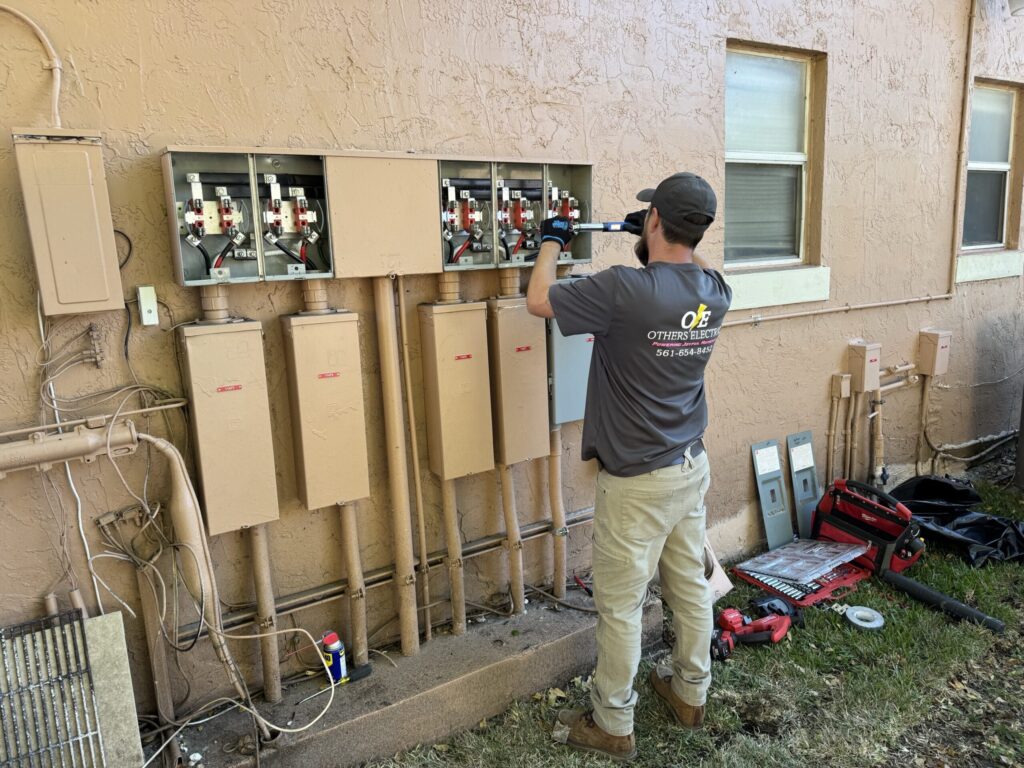
Types of Surge Protectors and What They Do
Most people think of small plug in surge strips, but a complete surge protection plan includes multiple layers. When deciding how much surge protection do I need, knowing these types helps you choose wisely.
A plug in surge protector only guards the devices plugged into it. These strips are helpful for computers, televisions, and home office equipment. They work best when paired with whole home surge protection.
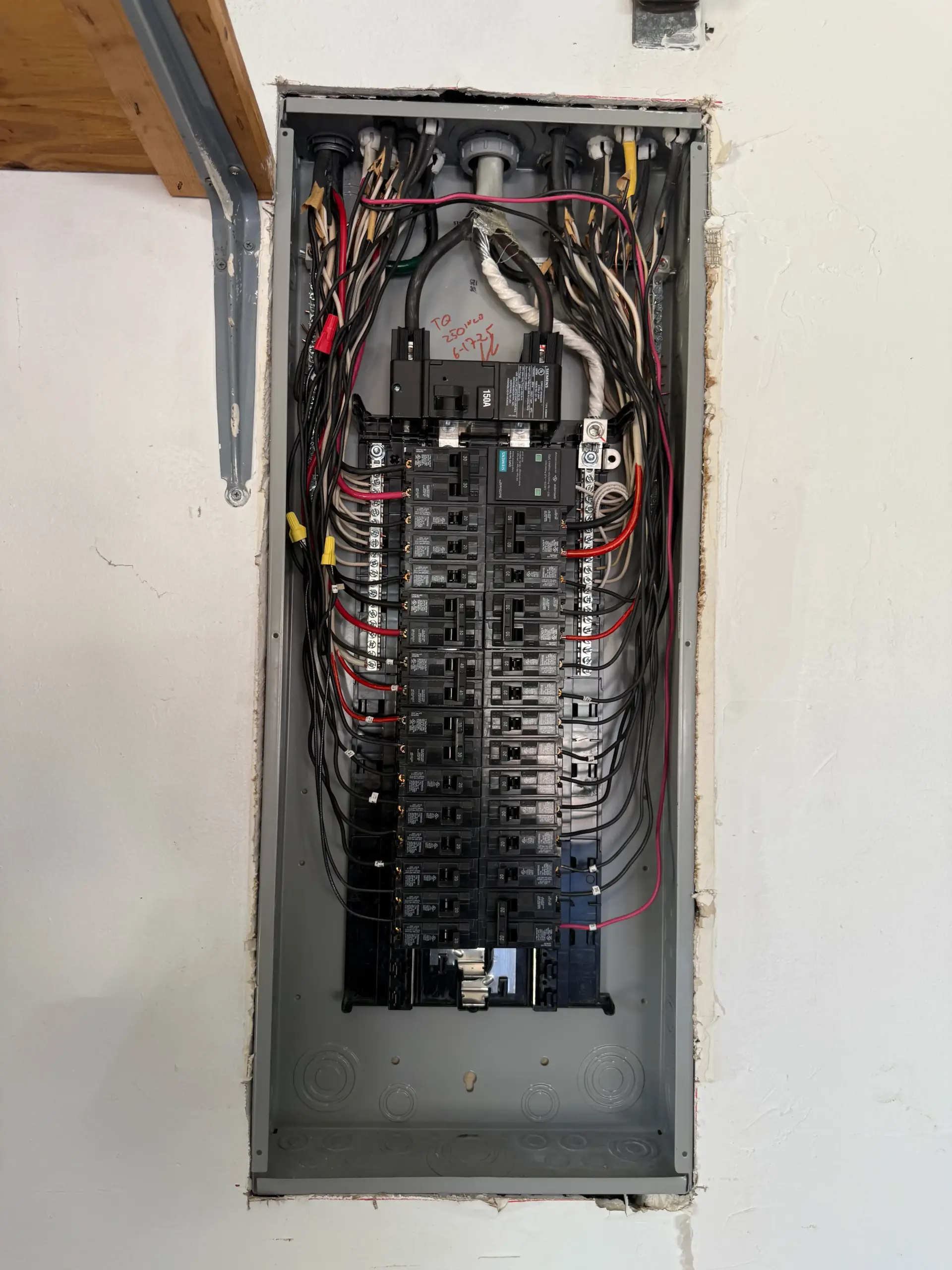
Whole home surge protectors are installed at the electrical panel. They block large voltage spikes coming in from the utility supply. These protect every circuit in the home at once. They are the foundation of an effective protection plan.
For the highest safety, sensitive systems like HVAC equipment, home theaters, or servers can have dedicated surge protectors installed at the device. This layered approach ensures every level of your home has protection.
The Importance of Joule Ratings
A key part of answering how much surge protection do I need is understanding joules. Joules measure how much surge energy a protector can absorb before it fails. The higher the joule rating, the more protection it provides.
A basic surge strip might offer 300 to 600 joules, which is suitable for small electronics. Home offices and entertainment systems benefit from 1,000 to 2,000 joules. Whole home surge protectors typically start around 3,000 joules and can go up to 5,000 joules or more.
Choosing the right joule rating depends on how valuable and sensitive your equipment is. If you live in an area with frequent storms or unstable power, higher joule ratings offer better long term protection.
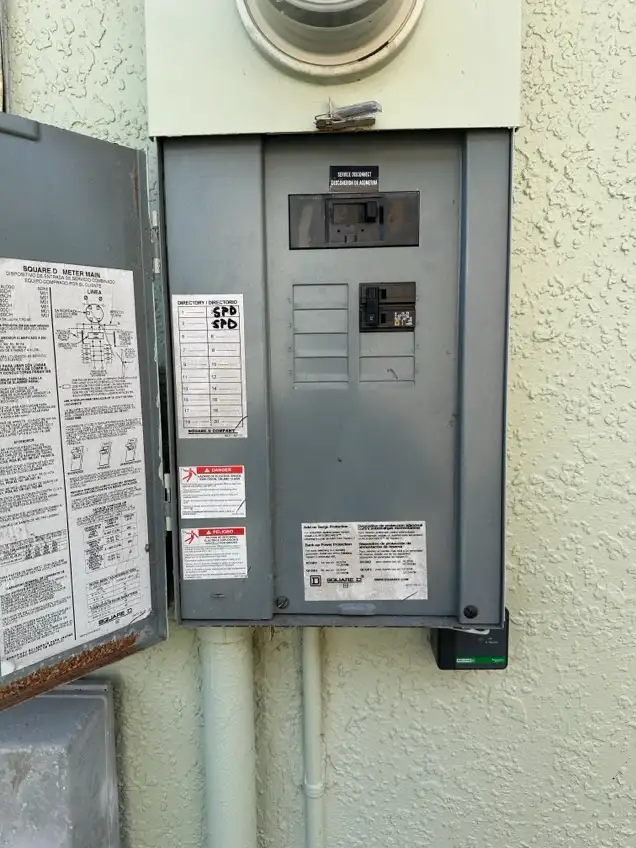
Clamping Voltage and Response Time
Two other specifications help answer how much surge protection do I need: clamping voltage and response time. Clamping voltage is the level at which the surge protector begins diverting excess energy. Lower numbers mean better protection. A good surge protector starts clamping around 330 volts.
Response time measures how quickly the device reacts. Surges happen instantaneously, so a fast response protects more effectively. Quality surge protectors respond in nanoseconds, preventing damage before it begins.
Why Whole Home Surge Protection Is Essential
Many homeowners ask if plug in surge strips are enough. While they help, they cannot handle the full power of a major surge. When evaluating how much surge protection do I need, whole home protection should be the baseline.
A whole home surge protector sits between the utility line and your electrical panel. It intercepts large surges before they spread through your circuits. Without this first line of defense, every outlet in the home remains vulnerable.
Even if lightning does not strike your home directly, nearby activity can cause destructive surges. Whole home protection reduces that risk for every circuit, including hardwired appliances like air conditioners, furnaces, and water heaters.

Protecting Sensitive Electronics
Modern homes contain more electronics than ever before. Computers, televisions, routers, game consoles, and smart devices are more sensitive to surges than older equipment. With so much technology depending on steady voltage, people often wonder how much surge protection do I need to keep everything safe.
A layered approach works best. Whole home protection absorbs large surges, while plug in protectors shorten the lifespan of smaller spikes before they reach your devices. This double defense gives each electronic item the highest level of safety.
How Local Conditions Affect Your Needs
Your location influences how much surge protection you need. Homes in areas with frequent lightning storms, aging power infrastructure, or rural utility lines face higher surge risks. In places like the Southeast and Midwest, storms create regular surges. Older neighborhoods may have unstable grids that trigger voltage spikes during switching.
If your home experiences flickering lights, tripped breakers, or occasional outages, you may need stronger protection. Thinking ahead can prevent costly repairs and appliance replacements.
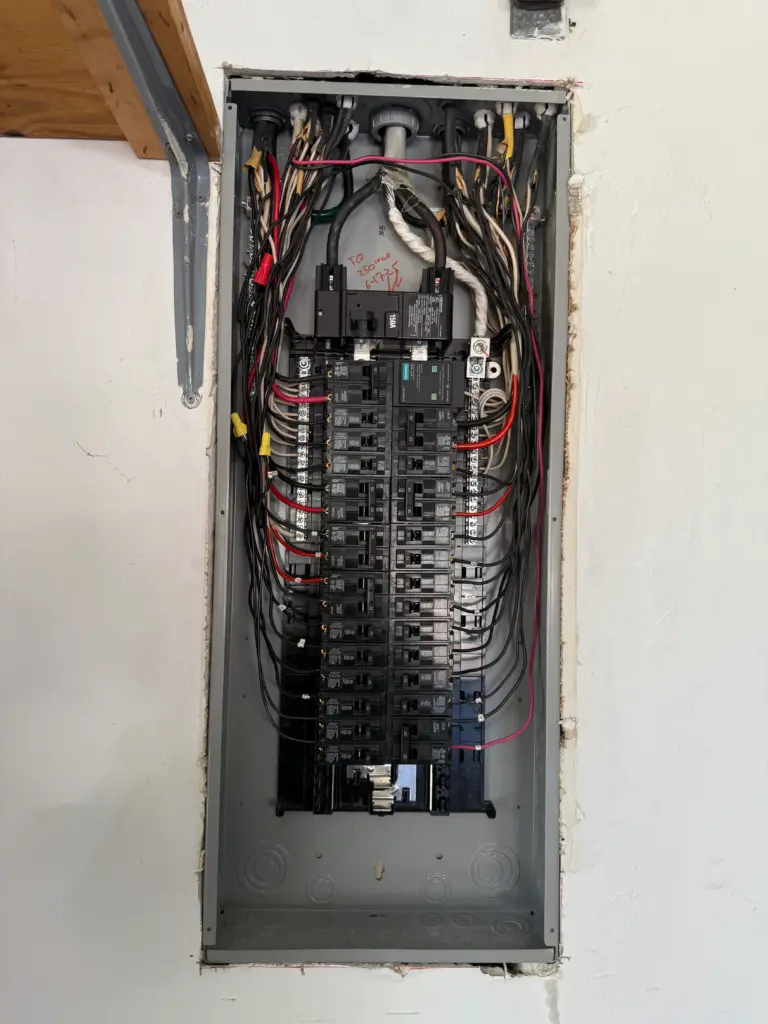
The Role of Grounding in Surge Protection
Surge protectors direct excess energy to the grounding system. If your home has poor grounding, even the best protector cannot function properly. Homeowners often ask how much surge protection do I need without realizing the grounding system must support the surge protector.
A licensed electrician can check your grounding rod, wiring, and panel connections. Proper grounding ensures that surge energy disperses safely away from your home.
Cost Benefits of Surge Protection
Many people hesitate to install whole home surge protection because they worry about cost. The truth is that surge protection pays for itself over time. Replacing a damaged air conditioner, refrigerator, or television can cost far more than a surge protector.
When evaluating how much surge protection do I need, consider the value of the equipment in your home. Appliances, electronics, HVAC units, and smart systems can be expensive to repair. Surge protection reduces the risk of those expenses.
What Homeowners Should Expect From a Quality System
A high quality surge protection setup includes a whole home protector with a strong joule rating, plug in protectors for electronics, and proper grounding. These components work together to shield your home from every level of surge activity.
Homeowners should expect the surge protector to last several years. Some models have indicator lights showing when replacement is needed. Regular inspections help maintain protection as your electrical demands grow.
Choosing the Right Surge Protection Strength
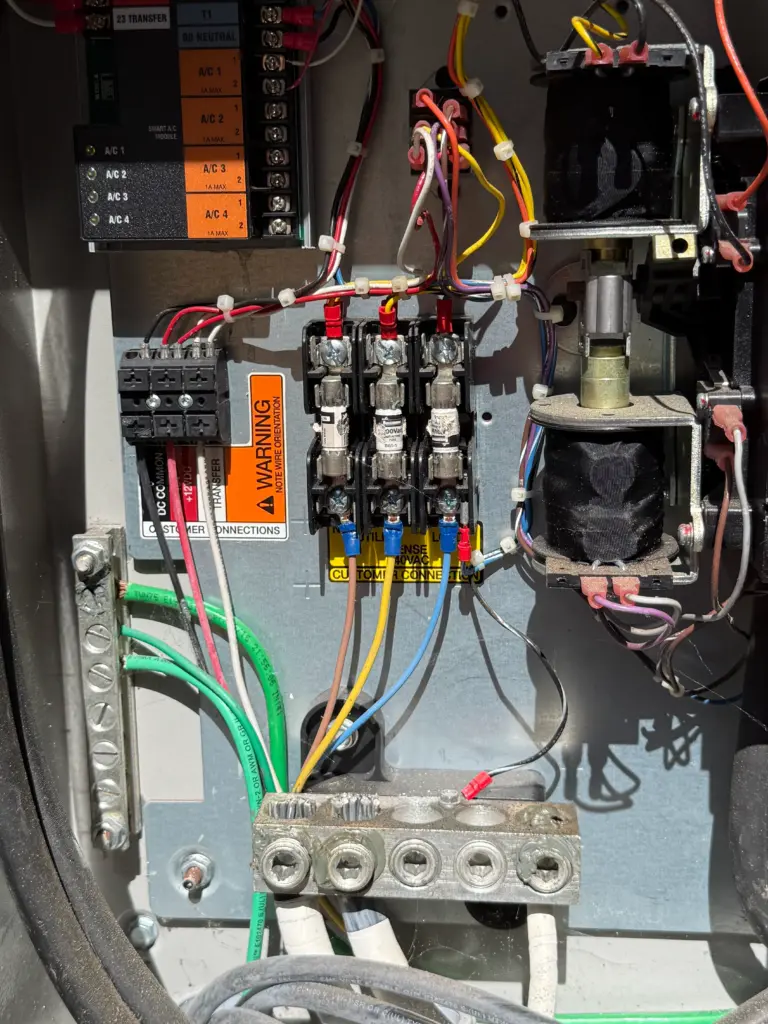
Deciding how much surge protection do I need means choosing the right strength for your home. For basic protection, a whole home unit rated at 3,000 joules works well. Homes with expensive appliances or sensitive electronics benefit from 4,000 to 5,000 joules.
If you live in a high risk area, consider investing in a protector with even higher joule ratings. The more energy it can absorb, the longer it protects your home from repeated surges.
Comparing Surge Protectors Using Trusted Data
Before buying a surge protector, it helps to compare models using independent research. Reviews from electrical experts, consumer testing, and safety organizations reveal which protectors perform best. For reliable guidance, the National Institute of Standards and Technology provides valuable insight on surge events, grounding, and electrical safety.
This information helps homeowners decide how much surge protection do I need based on real testing, not guesses.
Professional Installation Makes the Difference
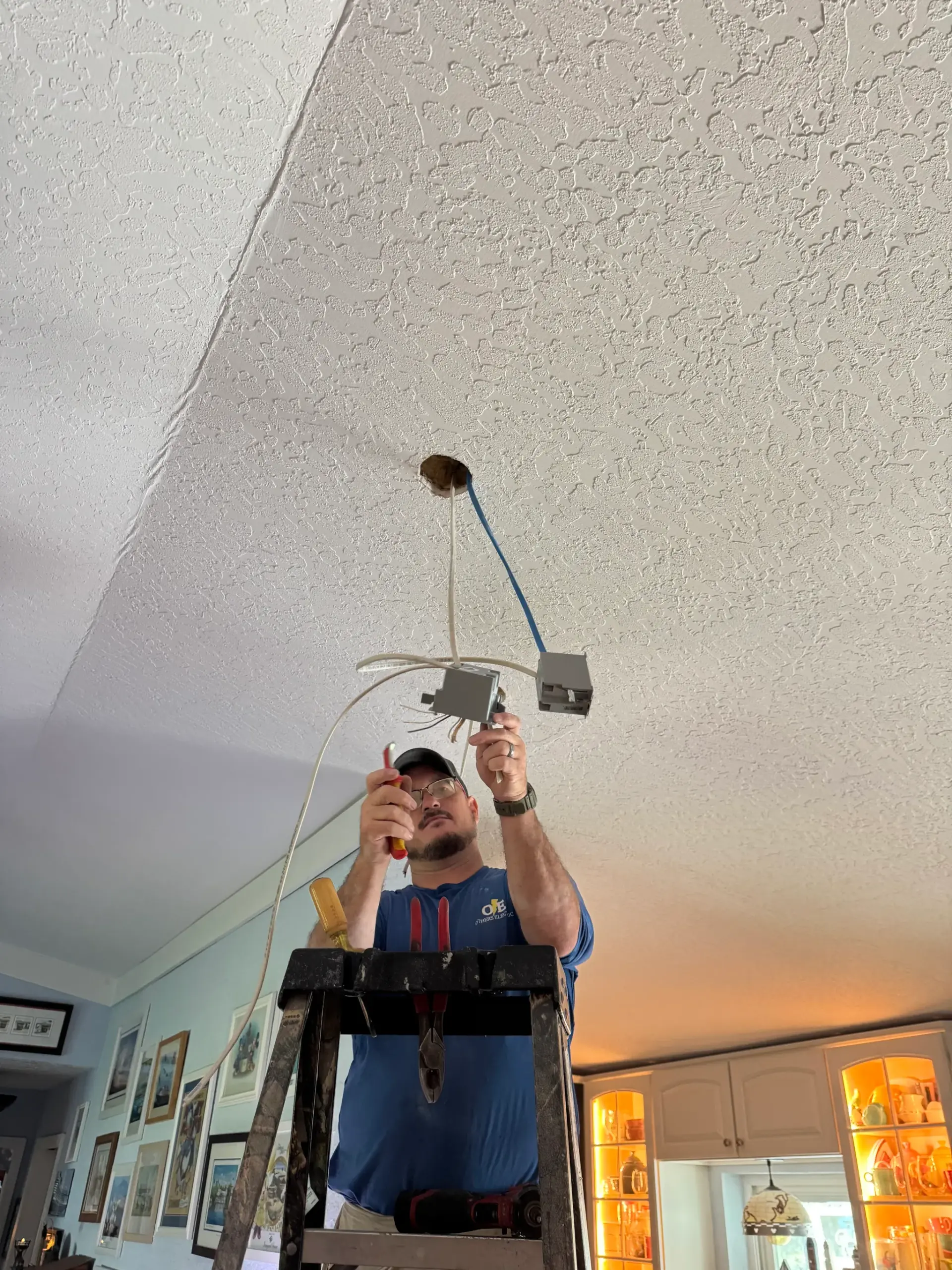
Surge protectors work best when installed correctly. A licensed electrician ensures the right circuit size, proper placement, and safe wiring. They also evaluate grounding and panel capacity. Homeowners who want dependable protection should work with professionals.
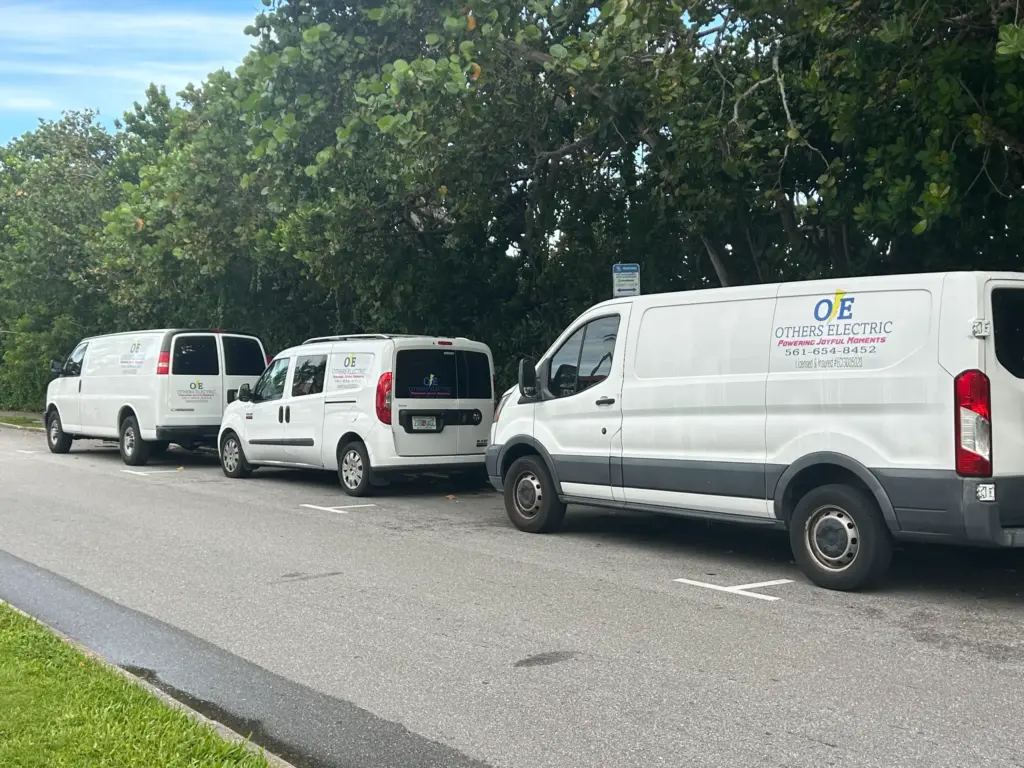
If you want expert installation, system evaluation, or help choosing the right protector, visit Others Electric. Their team provides complete surge protection services that keep your home safe year round.
Building a Future Proof Home
Homes rely more heavily on electronics every year. Smart devices, energy efficient appliances, and modern HVAC systems all depend on stable voltage. Surge protection keeps these systems functioning and prevents costly failures.
Planning ahead and asking how much surge protection do I need helps you protect today’s devices and tomorrow’s upgrades. A strong surge protection system extends the life of your home’s most valuable equipment.
Final Breakdown: How Much Surge Protection Do I Need
A complete setup gives you the safest results. Whole home surge protection paired with plug in devices for electronics provides layered defense. Aim for 3,000 to 5,000 joules at the panel and additional protection for sensitive equipment.
By choosing the right system and working with licensed electricians, you shield your home from storms, grid issues, and unexpected voltage spikes.